Businesses across the UK are under increasing pressure to demonstrate strong health and safety standards. Whether you work in construction, security, facilities management, engineering, or maintenance services, clients want reassurance that your company follows recognised safety practices.
This is where SMAS Accreditation becomes important.
Many organisations now expect contractors to hold a recognised SSIP certification before they can tender for projects or join approved supplier lists. SMAS is one of the most recognised schemes in the UK and can help businesses demonstrate their commitment to health and safety compliance.
In this guide, we explain what SMAS Accreditation is, why it matters, and how your business can achieve it.
What Is SMAS Accreditation?
SMAS Accreditation is a health and safety assessment scheme that helps businesses demonstrate compliance with UK health and safety legislation.
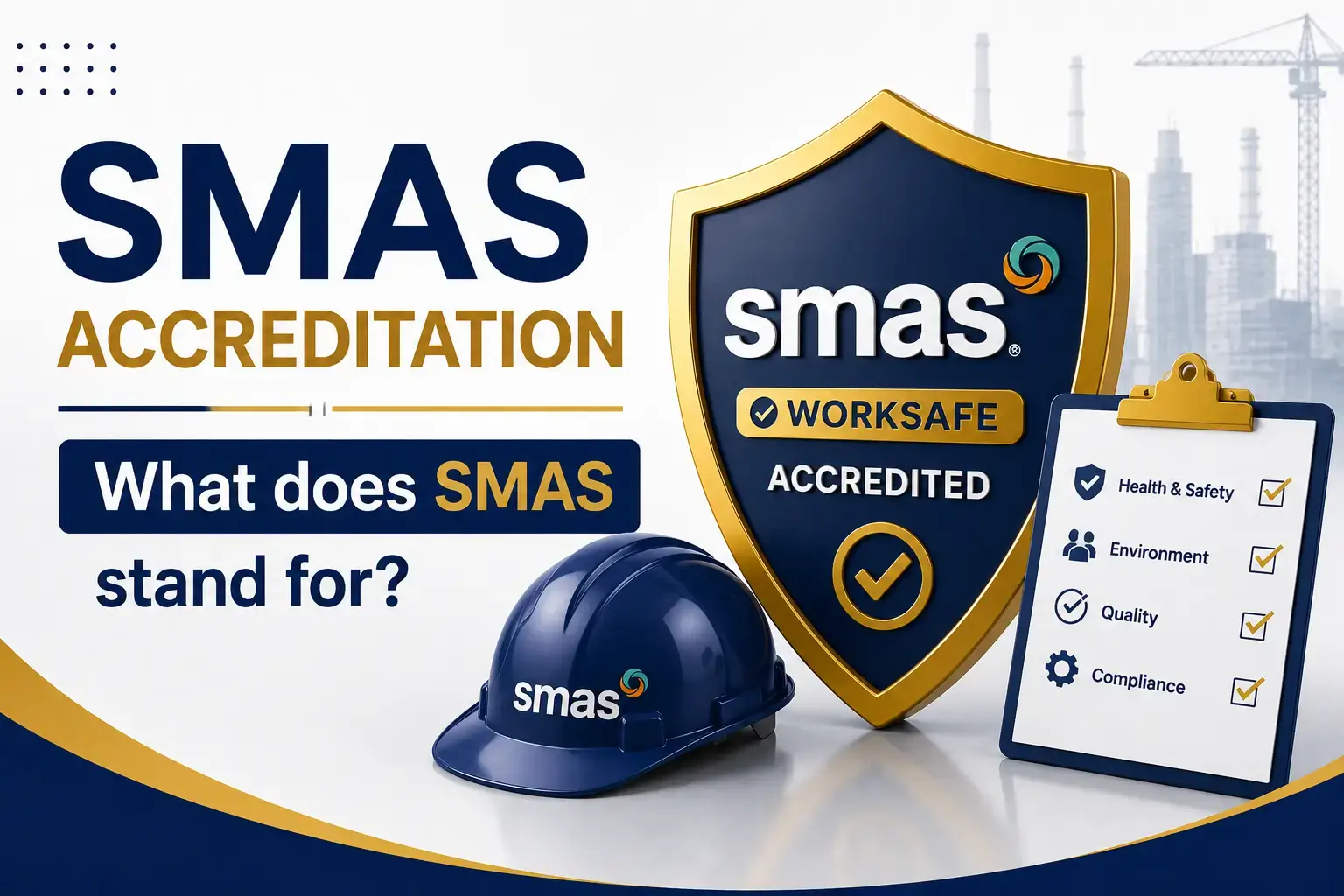
SMAS stands for Safety Management Advisory Services. It is one of the UK’s leading SSIP (Safety Schemes in Procurement) members.
The accreditation assesses whether a business has appropriate health and safety policies, procedures, and management systems in place.
SMAS helps contractors show potential clients that they take workplace safety seriously and meet recognised industry requirements.
Many public and private sector organisations use SMAS as part of their contractor selection process.
What Does SMAS Stand For?
SMAS stands for Safety Management Advisory Services.
The organisation was established to help businesses improve health and safety standards and simplify contractor pre-qualification requirements.
As a member of the Safety Schemes in Procurement (SSIP) framework, SMAS follows recognised assessment criteria that align with UK health and safety regulations.
This means businesses that achieve SMAS Accreditation can demonstrate that they meet important compliance standards without repeatedly completing similar assessments for different clients.
Why Is SMAS Accreditation Important for UK Businesses?
Health and safety is a key consideration for organisations across the UK.
Clients want to work with contractors who can demonstrate safe working practices and effective risk management.
SMAS Accreditation helps businesses:
- Demonstrate health and safety compliance
- Improve credibility and professionalism
- Strengthen client confidence
- Support tender applications
- Meet contractor pre-qualification requirements
- Show commitment to workplace safety
According to the UK’s health and safety regulator, workplace injuries and work-related illnesses continue to affect thousands of workers each year. Businesses that implement effective safety management systems are better positioned to manage risks and improve workplace performance.
SMAS Accreditation provides an independent assessment that helps demonstrate this commitment.
Who Needs SMAS Accreditation?
SMAS Accreditation is valuable for a wide range of industries.
It is particularly useful for businesses that work as contractors or subcontractors.
Common sectors include:
- Construction
- Security Services
- Facilities Management
- Cleaning Services
- Electrical Contractors
- Mechanical Contractors
- Engineering Firms
- Maintenance Companies
- Landscaping Businesses
- Property Services
Many organisations request SMAS or another SSIP certification before allowing contractors to work on-site.
For this reason, accreditation can be an important step for businesses seeking new opportunities.
Key Requirements for SMAS Accreditation
To achieve SMAS Accreditation, businesses must demonstrate that they have appropriate health and safety arrangements in place.
The assessment typically reviews several areas.
Health and Safety Policy
Businesses should have a documented health and safety policy that outlines responsibilities and commitments.
Risk Assessments
Risk assessments help identify workplace hazards and establish suitable control measures.
Training Records
Organisations should maintain records showing that employees receive appropriate health and safety training.
Accident Reporting Procedures
Businesses need processes for reporting and investigating incidents.
Method Statements
Method statements explain how specific tasks will be carried out safely.
Employee Responsibilities
Clear responsibilities should be assigned to managers, supervisors, and workers.
Health and Safety Management
Companies should demonstrate ongoing monitoring and improvement of health and safety performance.
Having these systems in place helps businesses prepare for accreditation and maintain compliance over time.
Benefits of SMAS Accreditation for Contractors
Many contractors pursue SMAS Accreditation because of the practical business benefits it can provide.
Enhanced Business Credibility
Accreditation demonstrates that your business follows recognised health and safety standards.
This can improve confidence among clients, suppliers, and stakeholders.
Stronger Tender Opportunities
Many tenders require evidence of health and safety compliance. SMAS can help support pre-qualification requirements.
Improved Risk Management
The accreditation process encourages businesses to review and strengthen safety procedures.
This can help reduce workplace risks.
Better Operational Standards
Businesses often improve documentation, training, and management processes during the accreditation journey.
Competitive Advantage
Companies with recognised accreditations may stand out when competing for contracts.
Demonstrated Commitment to Safety
Accreditation shows that workplace safety is a business priority. This can strengthen relationships with clients and employees alike.
How the SMAS Accreditation Process Works
The process is designed to assess whether a business meets the required health and safety standards.
Step 1: Review Existing Documentation
The first stage involves reviewing current policies, procedures, and safety records.
Step 2: Prepare Required Evidence
Businesses gather supporting documentation to demonstrate compliance.
Step 3: Submit Application
The application is submitted along with the required evidence.
Step 4: Assessment
SMAS reviews the submitted information against the assessment criteria.
Step 5: Address Any Gaps
If improvements are required, businesses can update documentation and provide additional evidence.
Step 6: Accreditation Approval
Once requirements are met, accreditation is awarded.
Many businesses find that professional support helps simplify this process and reduces delays.
Common Challenges Businesses Face During SMAS Applications
Although the process is straightforward, some organisations encounter challenges.
Incomplete Documentation
Missing policies or records can slow down the application process.
Outdated Procedures
Health and safety documents should be reviewed regularly to remain current.
Limited Internal Resources
Smaller businesses may struggle to dedicate time to compliance activities.
Lack of Compliance Knowledge
Some organisations are unsure which documents are required or how to structure them correctly.
Inconsistent Record Keeping
Training records, risk assessments, and monitoring activities should be properly maintained.
Addressing these issues early can help improve the likelihood of a successful application.
How BizGrow Holdings Can Support Your SMAS Accreditation Journey
At BizGrow Holdings, we understand that compliance requirements can sometimes feel overwhelming.
Our team supports businesses throughout the accreditation process by helping them understand requirements, prepare documentation, and strengthen compliance systems.
We work with organisations across the UK to support:
- SMAS Accreditation
- SSIP Compliance
- Health and Safety Documentation
- Contractor Compliance Support
- Business Accreditation Guidance
- Management System Development
Our goal is to help businesses build strong compliance foundations that support long-term growth and operational excellence.
Whether you are applying for accreditation for the first time or reviewing existing systems, BizGrow Holdings can help simplify the process.
Final Thoughts
SMAS Accreditation is more than a compliance requirement.
It is a recognised way for businesses to demonstrate strong health and safety standards, improve credibility, and strengthen their position within the UK marketplace.
As contractor requirements continue to evolve, organisations that invest in compliance are often better prepared for future opportunities.
By understanding the requirements, maintaining effective health and safety systems, and seeking expert support where needed, businesses can approach the accreditation process with confidence.
At BizGrow Holdings, we are committed to helping businesses navigate compliance requirements and achieve recognised industry accreditations successfully.
Frequently Asked Questions
What does SMAS stand for?
SMAS stands for Safety Management Advisory Services, a recognised SSIP member in the UK.
Is SMAS Accreditation an SSIP certification?
Yes. SMAS is a member of the Safety Schemes in Procurement (SSIP) framework.
Who needs SMAS Accreditation?
Contractors, subcontractors, and service providers across many industries may benefit from SMAS Accreditation.
How long does SMAS Accreditation remain valid?
Accreditation is typically subject to renewal and ongoing compliance requirements.
Can BizGrow Holdings help with SMAS Accreditation?
Yes. BizGrow Holdings supports businesses with compliance preparation, documentation, and accreditation guidance.