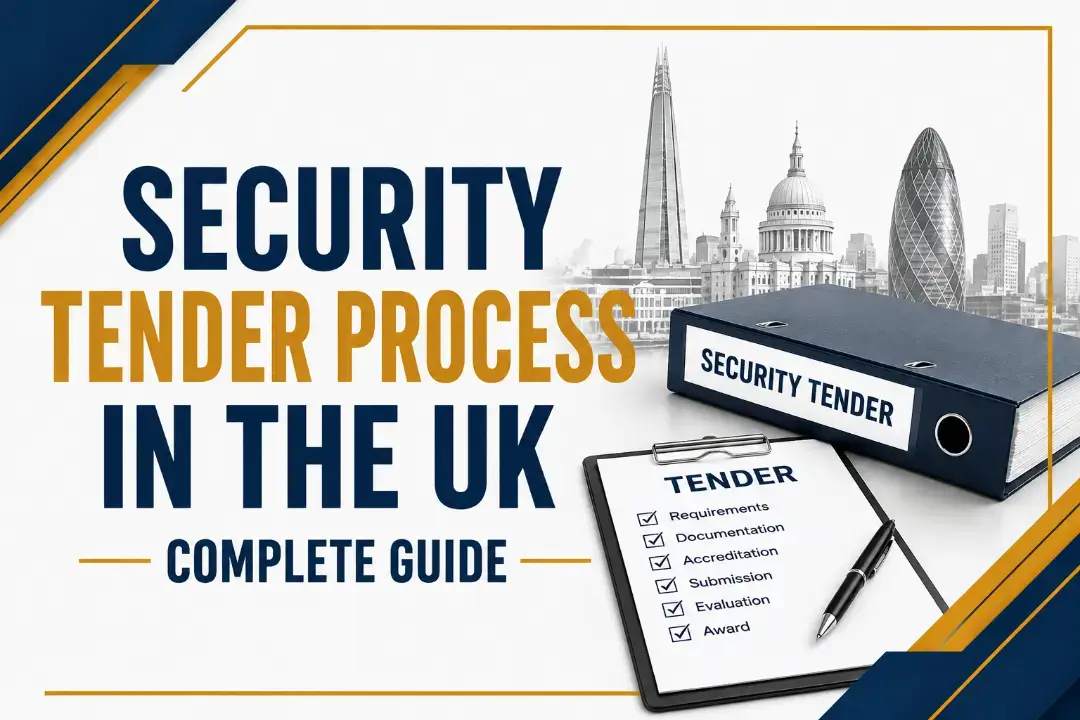
Preparing for a security tender process can feel overwhelming, especially if you’re bidding for the first time. Because tenders often decide which company wins large, long-term contracts, getting this stage right matters more than most business owners realise. Many security companies lose bids not because their service quality falls short, but because their preparation does. This guide breaks down exactly what goes into preparing for a security tender process, from the documents you need to the accreditation that strengthens your application. Whether you’re bidding for your first contract or trying to improve your win rate, this article covers everything step by step.
What Is a Security Tender Process?
A security tender process is how organisations formally invite security companies to bid for a contract. Instead of simply hiring the first provider they find, clients publish requirements and ask multiple companies to submit competing proposals.
Because tenders usually involve larger, longer-term contracts, the process tends to be more structured than a standard sales enquiry. Clients typically assess bids against fixed criteria, covering price, experience, accreditation, and service quality.
Public sector tenders often follow strict procurement rules, while private sector tenders offer slightly more flexibility. Either way, the process usually involves submitting a written proposal, supporting documents, and sometimes attending an interview or site visit. Understanding this structure early makes the rest of your preparation far more manageable.
Why Preparation Matters Before You Bid
Rushing into a tender without proper preparation almost always leads to a weaker bid. Because assessors compare multiple submissions side by side, small gaps in your application stand out quickly against well-prepared competitors.
Good preparation also saves time later. If you gather your documents, accreditation, and case studies in advance, you can respond to new tender opportunities faster, rather than scrambling every time one appears.
Beyond documentation, preparation shapes how confident and credible your bid appears. A well-prepared submission shows clients you run an organised, professional business, not just one that talks about quality without proving it.
Therefore, treating preparation as an ongoing process, rather than a last-minute scramble, puts you in a far stronger position whenever a suitable tender comes along.
Key Documents You Need for a Security Tender
Every security tender expects a core set of supporting documents. Missing even one can weaken your bid or disqualify it entirely.
- Company profile: A clear overview of your experience, services, and track record
- Health and safety policy: Documented procedures showing how you manage risk
- Insurance certificates: Proof of public liability and employer’s liability insurance
- Financial statements: Evidence of financial stability, especially for larger contracts
- Staff training records: Proof that your team holds relevant licences and training
- Case studies or references: Examples of similar work you’ve successfully delivered
Because tender assessors often work through dozens of submissions, keeping these documents clear, current, and well-organised makes your bid easier to evaluate and harder to overlook.
Accreditations That Strengthen Your Tender Application
Accreditation plays a major role in preparing for a security tender process, since it gives clients independent proof of your standards, rather than relying purely on your own claims.
SIA Licence
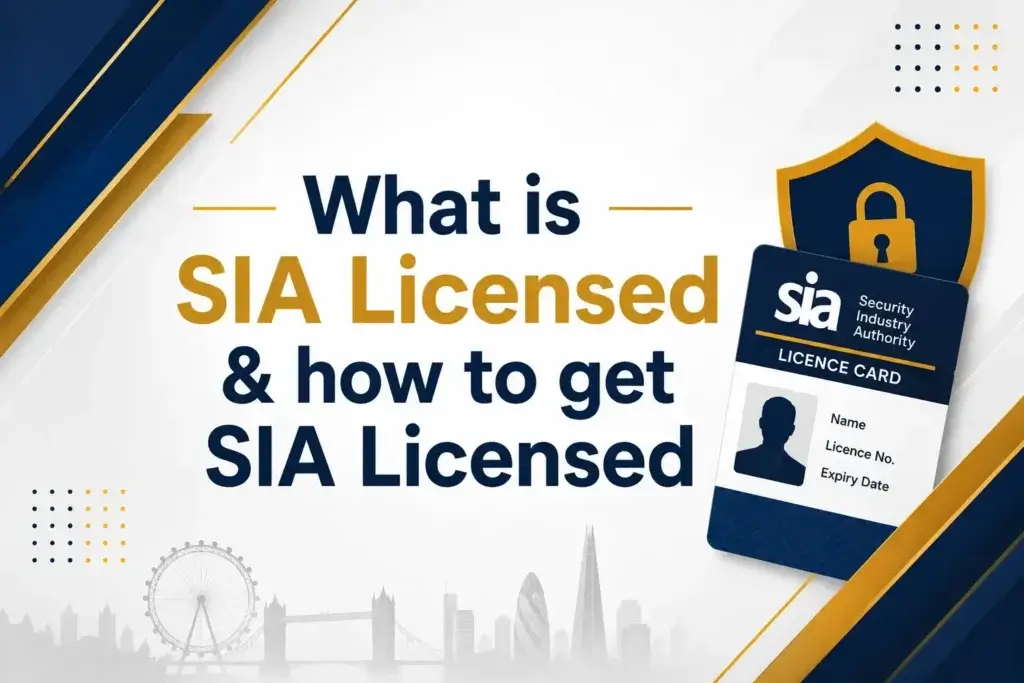
Every security operative working on your contract needs a valid SIA licence. This isn’t optional. It’s a legal requirement, and tender assessors will expect clear evidence that your entire workforce meets this standard.
ACS (Approved Contractor Scheme)
ACS accreditation shows a company consistently meets high industry standards, not just a one-off checklist. Many public sector and corporate tenders specifically require ACS accreditation before they’ll even consider your bid.
ISO 9001
ISO 9001 demonstrates that your business runs on strong, structured quality management systems. This reassures clients that your service quality stays consistent, rather than depending purely on individual staff performance.
SafeContractor
SafeContractor accreditation proves your company follows proper health and safety practices. Because safety carries real weight in tender scoring, this accreditation often strengthens your bid significantly, especially for facilities and commercial contracts.
Step-by-Step Guide to Preparing for a Security Tender
Preparing for a security tender process becomes far easier when you break it into clear, manageable steps.
Read the tender documents carefully: Understand every requirement before you start drafting your response.
Gather your core documents early: Insurance, accreditation, and policies should already be ready to submit.
Tailor your response to the client: Avoid generic answers; address their specific needs directly.
Highlight relevant experience: Use case studies that closely match the client’s industry or site type.
Proofread everything thoroughly: Small errors can undermine an otherwise strong submission.
Submit ahead of the deadline: Late submissions often get disqualified automatically, regardless of quality.
Following these steps consistently, rather than treating each tender as a one-off task, builds a repeatable process that improves your success rate over time.
Common Mistakes That Cause Tenders to Fail
Many security companies fail tenders not because their service is poor, but because their bid doesn’t communicate their strengths clearly enough.
Missing or outdated documentation ranks among the most common issues, since assessors simply can’t verify compliance without proper evidence. Generic responses also weaken bids significantly, especially when a company copies the same answers across every tender instead of tailoring them to each client.
Weak evidence of experience causes problems too, particularly when companies fail to include specific, relevant case studies. Similarly, underestimating scoring criteria, such as focusing too heavily on price while ignoring quality and safety sections, often costs companies points they didn’t need to lose.
Because tender assessors score against fixed criteria, addressing every section thoroughly, rather than skimming past less obvious requirements, makes a measurable difference to your final score.
How to Make Your Bid Stand Out
Meeting the minimum requirements gets you into consideration, but it rarely wins the contract on its own. To stand out, focus on demonstrating value beyond just compliance.
Show clear, measurable outcomes from previous contracts wherever possible, since specific results carry more weight than vague claims. Explain how your accreditation directly benefits the client, rather than simply listing certificates without context.
Personalise your submission to reflect the client’s specific site, risks, and priorities, since generic bids rarely feel convincing. Finally, present your documentation clearly and professionally, since a well-organised bid signals the same standards you’d bring to the actual contract.
How BizGrow Holdings Supports Security Companies Through Tenders
At BizGrow Holdings, we help security companies across the UK get accredited and stay tender-ready. Whether you need ACS, ISO 9001, or SafeContractor accreditation, our team guides you through the entire process from start to finish.
We handle the documentation accreditation bodies expect, prepare you for audits, and help you build a strong, credible profile before you even start bidding. Many companies ask about cost before they even begin the accreditation process. The truth is, proper guidance often saves far more money in the long run, since it prevents delays, failed applications, and lost tender opportunities. Visit BizGrow Holdings to find out how we can help your security business win bigger, better contracts.
Frequently Asked Questions
1. What documents do I need for a security tender in the UK?
You’ll typically need insurance certificates, health and safety policies, accreditation proof, and relevant case studies. Keeping these ready in advance speeds up the whole process. Missing documents often weaken an otherwise strong bid.
2. How long does a security tender process usually take?
It varies by client, but most tenders run several weeks from publication to final decision. Public sector tenders often take longer due to stricter procurement rules. Private sector tenders can move faster in comparison.
3. Do I need ACS accreditation to win security tenders?
Not always, but many public sector and corporate tenders specifically require it before considering your bid. Without it, some clients won’t even shortlist your submission. It significantly strengthens your credibility either way.
4. What makes a security tender bid stand out?
Clear evidence, tailored responses, and strong accreditation all help your bid stand out from competitors. Generic answers rarely impress experienced assessors. Specific, relevant case studies make a real difference too.
5. Can small security companies compete for large tenders?
Yes, especially with proper accreditation and a well-prepared, professional bid that demonstrates real capability. Size matters less than credibility and preparation. Many smaller companies win contracts through strong documentation alone.
Conclusion
Preparing for a security tender process properly makes the difference between a bid that gets overlooked and one that genuinely competes. From gathering the right documents to securing proper accreditation, every step strengthens your credibility in front of assessors. Because tender scoring often comes down to small details, taking preparation seriously gives you a real competitive edge. Tailoring your response to the client’s needs and keeping your accreditation current both add up to a stronger submission. If you want expert support preparing for a security tender process, working with an experienced consultancy can guide you through the journey, helping you win bigger contracts.