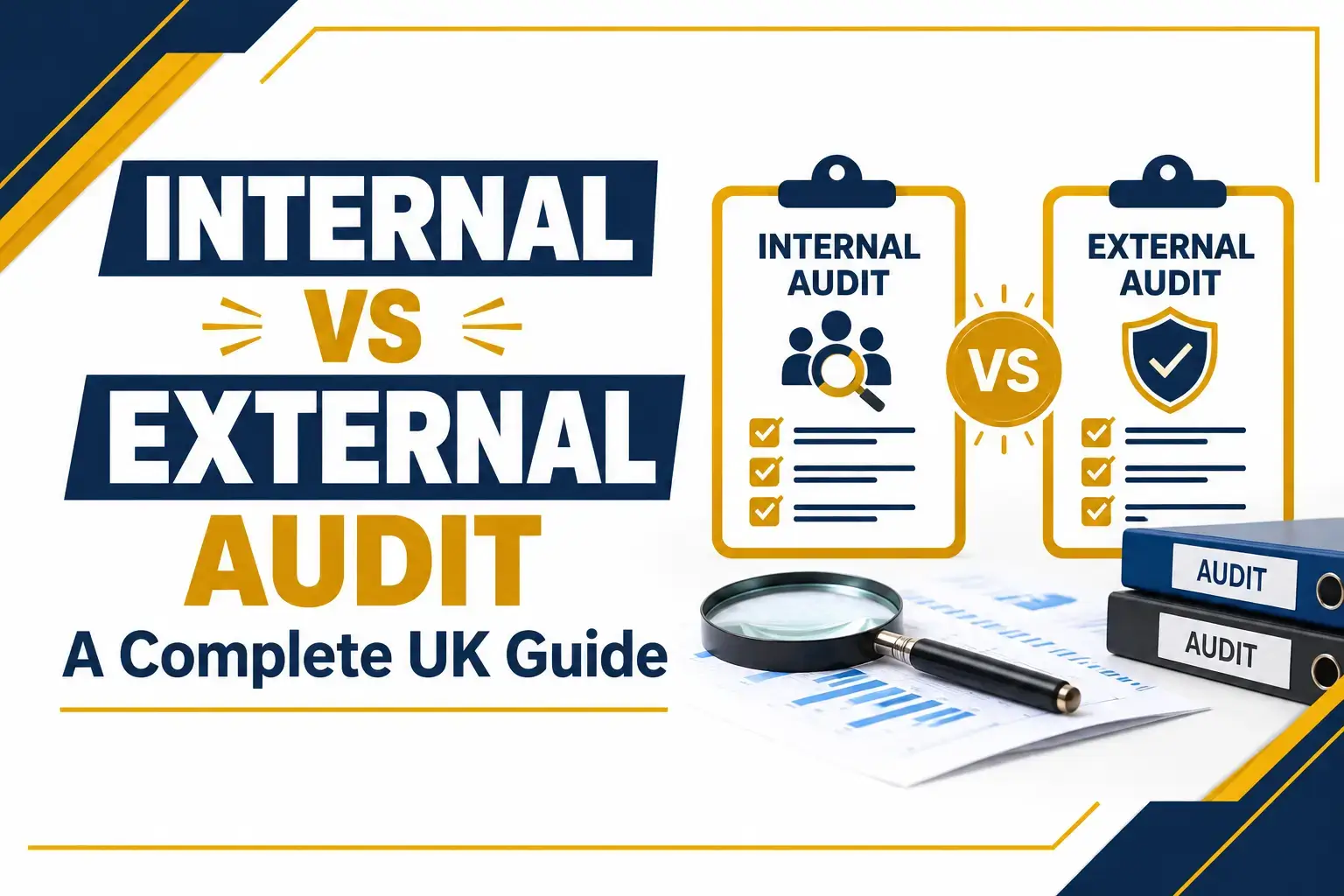
If you’re preparing for ISO certification, SIA ACS, or any other UK compliance standard, you’ve probably come across two terms that sound similar but mean very different things. That’s exactly why this Internal vs External Audit: A Complete UK Guide exists. Many business owners confuse the two. Others simply assume one replaces the other. But it doesn’t work that way, and that’s often where an experienced accreditation consultant makes the real difference. Therefore, in this guide, we’ll explain both audit types in simple words. As a result, you’ll know exactly what each one involves, why your business genuinely needs both, and how working with the right accreditation consultant can make the whole process far smoother.
What Is an Internal Audit?
An internal audit is a check your own business carries out on itself. Either your team does it, or you bring in an independent consultant to do it on your behalf.
The goal stays simple: catch problems before anyone else does. So, instead of waiting for an outside body to find issues, you find them first and fix them on your own terms.
Internal audits usually look at:
- Whether your processes actually match your written policies
- Gaps in documentation or evidence
- Areas where compliance might be slipping
- Opportunities to improve daily operations
- How well your team follows procedures in real life, not just on paper
So, think of it as a practice run. You’re checking your own homework before handing it in. And when you approach it properly, this simple habit strengthens every other part of your Internal vs External Audit journey.
What Is an External Audit?
An external audit works differently. Instead of your own team, an independent certification body carries it out. This audit determines whether your business actually earns certification, whether that’s ISO 9001, SIA ACS, or another recognised UK standard. So, unlike an internal check, you can’t simply mark your own work here.
External audits typically follow a structured process:
- Initial certification audit: usually completed in two stages
- Surveillance audits: regular check-ins, often every six to twelve months
- Recertification audits: a full reassessment, typically every few years
- On-site or remote review: depending on your certification body and business type
Unlike internal audits, external audits carry real weight. So, the outcome directly affects whether you gain or keep your certification. Therefore, this is exactly where many businesses lean on an accreditation consultant, since preparing properly beforehand often decides how smoothly this stage of your Internal vs. external audit journey goes.
Internal vs External Audit: Key Differences
Let’s break this down clearly, point by point.
| Factor | Internal Audit | External Audit |
|---|---|---|
| Who Conducts It | Your own team or a hired consultant carries it out | An accredited certification body carries it out |
| Purpose | Aims to improve processes and catch issues early | Determines whether you meet certification requirements |
| Independence | Auditors stay objective, but still work closely with your business | Auditors remain completely independent |
| Outcome | Produces an action plan | Produces a certification decision |
| Frequency | Happens as often as your business chooses | Follows a fixed schedule set by the certification body |
So, while both processes check compliance, they serve very different roles throughout your certification journey. Therefore, understanding this Internal vs External Audit distinction early helps you plan properly, rather than confusing one process for the other.
Why Internal Audits Matter Before Your Assessment
Here’s the real value of internal audits: they let you fix problems on your own terms, before an external auditor ever walks through the door.
Without one, businesses often walk into external audits blind. They assume their systems work, only to discover gaps during the real assessment, when it’s too late to fix quietly.
A proper internal audit helps you spot weak documentation before assessors do, confirm your team actually follows written procedures, build confidence ahead of your external audit, and reduce the risk of failed assessments or delays. In short, internal audits protect you from unpleasant surprises later.
What Happens During an External Audit?
So, what should you actually expect once the external audit begins?
Typically, the certification body reviews your documentation, interviews staff, and checks whether your operations genuinely reflect your written policies. They’re not just reading paperwork. Instead, they want real proof that your systems work in practice.
If gaps exist, you may receive:
- Minor non-conformities: small issues you can fix with a clear action plan
- Major non-conformities: serious gaps that could delay or block certification
This is exactly why internal audits matter so much beforehand. The fewer surprises during the external audit, the smoother your certification journey becomes.
So, once again, this stage highlights why your internal vs. external audit preparation, especially the internal side, shapes how confidently you walk into assessment day.
Common Mistakes Businesses Make With Audits
Many UK businesses fall into similar traps when it comes to auditing. Watch out for these:
Treating Internal Audits as a Formality
Rushing through them without real scrutiny defeats the entire purpose of the exercise. If your team simply ticks boxes instead of genuinely checking whether processes work, you lose the early warning system an internal audit should provide.
Skipping Internal Audits Entirely
This often means facing unexpected issues during external assessment, when it’s too late to fix quietly. Businesses that skip this step usually discover their gaps at the worst possible moment, right in front of an external assessor.
Using Auditors With Weak Training
This reduces the value of the whole process, since untrained auditors miss the gaps that matter most. Consequently, your business ends up with a false sense of security, believing everything is fine when it isn’t.
Letting the Same Person Review Their Own Work
This removes genuine independence, which weakens the reliability of your findings. Naturally, it’s difficult to spot your own mistakes objectively, so bringing in a fresh perspective usually works far better.
Confusing the Two Audit Types
Some businesses assume one internal check replaces external certification entirely, but it doesn’t work that way. Understanding this Internal vs External Audit distinction early prevents costly misunderstandings down the line. Avoiding these mistakes early saves significant time, stress, and unnecessary costs later in your certification journey.
Can Every Business Carry Out an Internal Audit?
Yes, and honestly, every business should. You don’t need a huge team or complicated systems to get started, since even a small, structured review counts as a genuine internal audit.
Small businesses often manage internal audits with their own staff, as long as the person reviewing stays objective and doesn’t check their own work. Larger businesses sometimes bring in an independent accreditation consultant instead, especially when internal resources run tight or when they want a fresh, unbiased perspective on their systems.
So, whether you’re a small security firm or a growing construction company, internal audits remain accessible to everyone. The real requirement isn’t size. It’s consistency and honesty throughout the process, since half-hearted reviews defeat the entire purpose.
Is External Audit Open to Every Business Too?
Not quite in the same way. Your business must first meet the specific requirements of the standard you’re applying for before an assessor even agrees to review you.
For example, SIA ACS expects certain operational and staffing criteria before you even qualify for assessment. Similarly, ISO standards expect a working management system already in place, not just good intentions on paper.
Therefore, external audits come with a few more conditions upfront, unlike internal audits, which stay flexible and self-managed. This is exactly where completing a solid internal audit beforehand makes your Internal vs External Audit journey far smoother, since you walk into assessment already knowing where you stand and what still needs fixing.
How BizGrow Holdings Supports Both Audit Types
At BizGrow Holdings, we help UK businesses manage both internal and external audits properly, without the usual confusion that often surrounds compliance work.
Here’s what makes us different:
- We run thorough internal audits that genuinely catch gaps, not just tick boxes, so your business gets real value from every review
- We prepare your documentation and evidence to match real operations, rather than generic templates that don’t reflect how you actually work.
- We guide you through external audit requirements, so nothing catches you off guard once assessors arrive.
- We support you continuously, not just once before certification, keeping your systems audit-ready year-round.
The overall cost and effort of managing audits properly can feel overwhelming without expert guidance. That’s exactly why UK businesses trust BizGrow Holdings to manage the entire Internal vs External Audit process for them, from the first internal check through to final certification.
Frequently Asked Questions
1. Is an internal audit mandatory before certification?
In most cases, yes. Many standards, including ISO, require internal audits as part of ongoing compliance. Therefore, skipping this step often creates problems later.
2. How often should a business run internal audits?
This depends on your certification requirements. Generally, many businesses run them at least once a year, sometimes more. So, the right frequency really depends on your risk level.
3. Can the same person handle both internal and external audits?
No. External audits must come from an independent certification body, separate from your internal team. This keeps your Internal vs. external audit process genuinely objective throughout.
4. What happens if a business fails an external audit?
You may receive non-conformities to fix. Depending on severity, this could delay or block your certification. However, addressing them properly usually gets you back on track.
5. Can BizGrow Holdings help with both audit types?
Yes. Our team supports you through internal audit preparation and external audit readiness alike. As a result, you get one consistent partner throughout your entire journey.