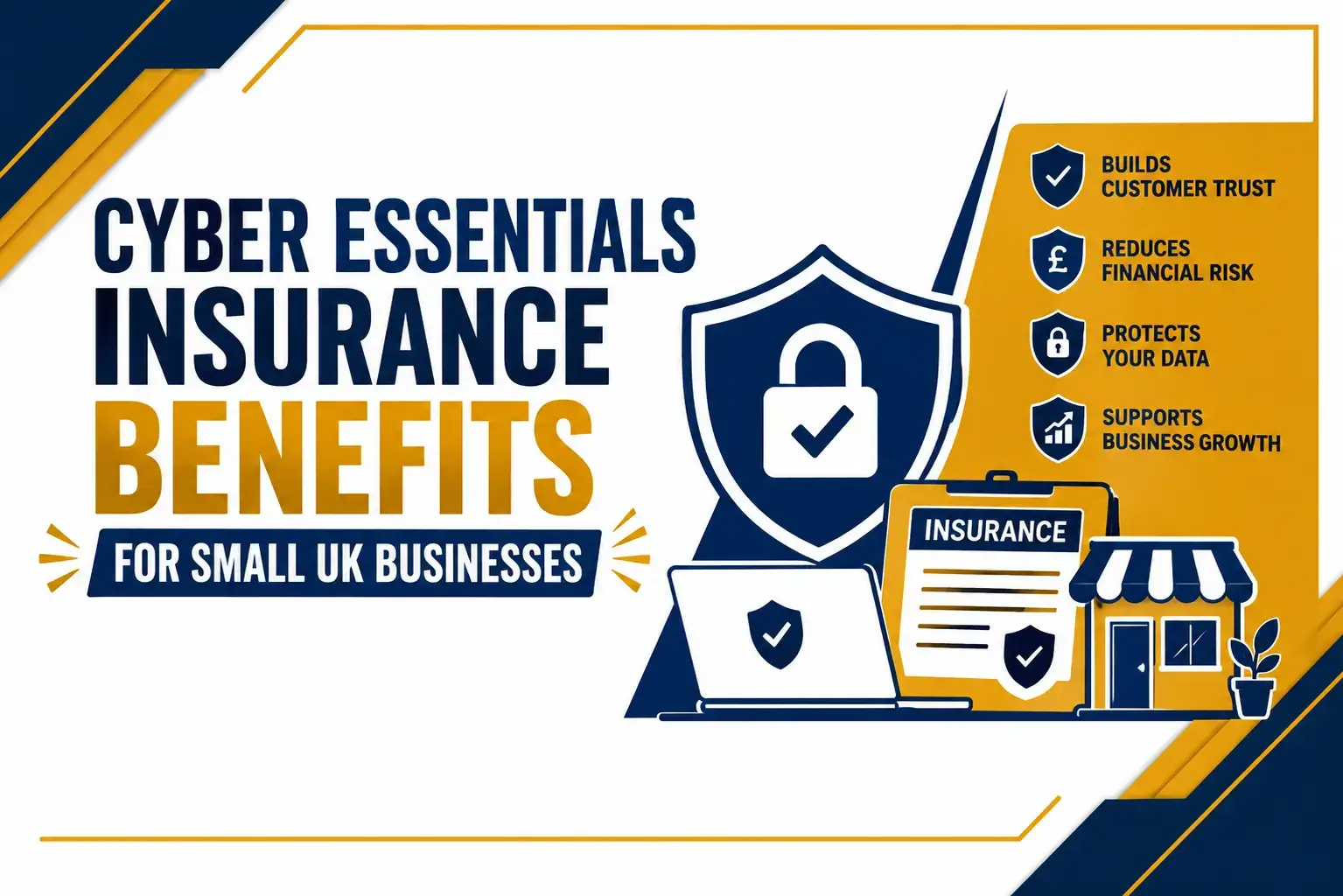
Cyber Essentials certification does more than protect your business from cyber threats. For many small UK businesses, it also comes with valuable insurance benefits that often go unnoticed. Therefore, this guide explains exactly what insurance benefits come with Cyber Essentials, who qualifies, and how much cover you can actually get. We’ve kept the language simple, so any UK business owner can understand it easily, without needing any technical knowledge. Moreover, whether you’re already certified or thinking about certification, this guide will help you understand insurance benefits that many businesses miss entirely, simply because they don’t know these benefits exist.
What Insurance Benefits Come With Cyber Essentials
Cyber Essentials isn’t just a certificate that sits on your website. It also comes with real insurance benefits that support your business when it matters most.
Free Cyber Liability Insurance Explained
UK organisations that achieve Cyber Essentials certification get free Cyber Liability Insurance, arranged through IASME, worth up to £25,000. This insurance comes automatically with certification, at no extra charge, and you don’t need to apply separately or pay anything extra.
Why This Insurance Benefit Matters for Small Businesses
This benefit alone makes certification especially valuable for smaller businesses that might not otherwise afford dedicated cyber insurance. So, these insurance benefits give small businesses real protection they’d struggle to get on their own, especially without a big budget for cyber risk.
How This Compares to Standalone Cyber Insurance
Buying standalone cyber insurance can be expensive, especially for smaller companies with limited resources. But Cyber Essentials includes these insurance benefits directly with certification, making protection much easier to access from the start.
Who Qualifies for These Insurance Benefits
Not every business automatically qualifies for these insurance benefits. Therefore, understanding the eligibility rules helps you know exactly where you stand. UK organisations with a turnover under £20 million get this free insurance when they achieve Cyber Essentials certification for their whole organisation.
Key eligibility points include:
- Your business must have UK-based operations
- Your turnover must fall under the £20 million threshold
- Your certification must cover your entire organisation, not just part of it
- You must keep your certification active for the insurance to apply
Consequently, meeting these requirements ensures your business doesn’t miss out on these valuable insurance benefits.
What This Insurance Typically Covers
Understanding what the insurance actually protects against helps you appreciate its real value. After all, many businesses assume cyber insurance only covers the technical fix, when in reality, it supports much more than that.
Cyber Incidents and Data Breaches
This insurance generally supports businesses dealing with cyber incidents, including data breaches. Specifically, it helps manage the financial impact that follows an actual attack, rather than just preventing one from happening in the first place. This means your business gets support even after something has already gone wrong.
Business Interruption Support
Beyond direct incident costs, this insurance can also help with business interruption, supporting your business as it recovers and gets back to normal operations. Consequently, these insurance benefits cover more than just the immediate attack itself, extending support throughout the recovery period as well. Ultimately, these insurance benefits give your business a safety net that extends well beyond the incident, helping you recover fully rather than facing the financial impact alone.
How to Claim Your Cyber Essentials Insurance Benefits
Claiming these insurance benefits isn’t automatic, but you don’t need to apply separately. However, you do need to make sure your certification stays valid and properly scoped.
To access them properly, you should:
- Achieve Cyber Essentials certification for your whole organisation
- Confirm your turnover falls under the eligibility threshold
- Keep your certification active through annual renewal
- Understand the specific terms provided through IASME
Moreover, many businesses assume these advantages apply automatically to any part of their business, even when certification only covers a portion of it. Therefore, you need to double-check your scope carefully before assuming you qualify. Ultimately, working through these steps carefully ensures you don’t accidentally miss out on what you’re genuinely entitled to receive.
Why This Matters More for Small Businesses
Small businesses often face the same cyber risks as larger companies, but without the same financial cushion to absorb an incident.
Levelling the Playing Field
These benefits help level that playing field. Specifically, they give smaller businesses a safety net that would otherwise require a separate insurance purchase, often at significant expense.
Real Peace of Mind Without an IT Team
For businesses without dedicated IT or legal teams, these can provide real peace of mind alongside the certification itself. As a result, even the smallest businesses gain the same level of protection larger companies already have in place.
Reducing the Financial Risk of Going It Alone
Without this insurance, many small businesses would face cyber incidents entirely on their own, with no financial support to fall back on. Therefore, this protection becomes especially valuable for businesses operating on tighter budgets.
Common Misunderstandings About This Insurance Benefit
Several misconceptions exist around these advantages, often leading businesses to either overestimate or underestimate their real value.
Common misunderstandings include:
- Assuming this insurance replaces all other business insurance needs
- Believing certification alone guarantees automatic claims approval
- Thinking Cyber Essentials Plus offers significantly more insurance cover
- Overlooking the importance of keeping certification active year-round
For instance, many businesses wrongly assume these insurance benefits cover everything, when in reality, they work alongside your existing policies, not instead of them. Similarly, having a valid certificate doesn’t automatically guarantee a successful claim, since IASME reviews each case individually. Ultimately, understanding these points clearly helps you use these insurance benefits properly, without setting unrealistic expectations.
How BizGrow Holdings Helps You Access These Insurance Benefits
Getting Cyber Essentials certified and accessing the insurance benefits that come with it doesn’t have to feel complicated. Many businesses attempt this process alone, only to realise later that small mistakes cost them the very benefits they were hoping to secure.
Building Your Certification the Right Way
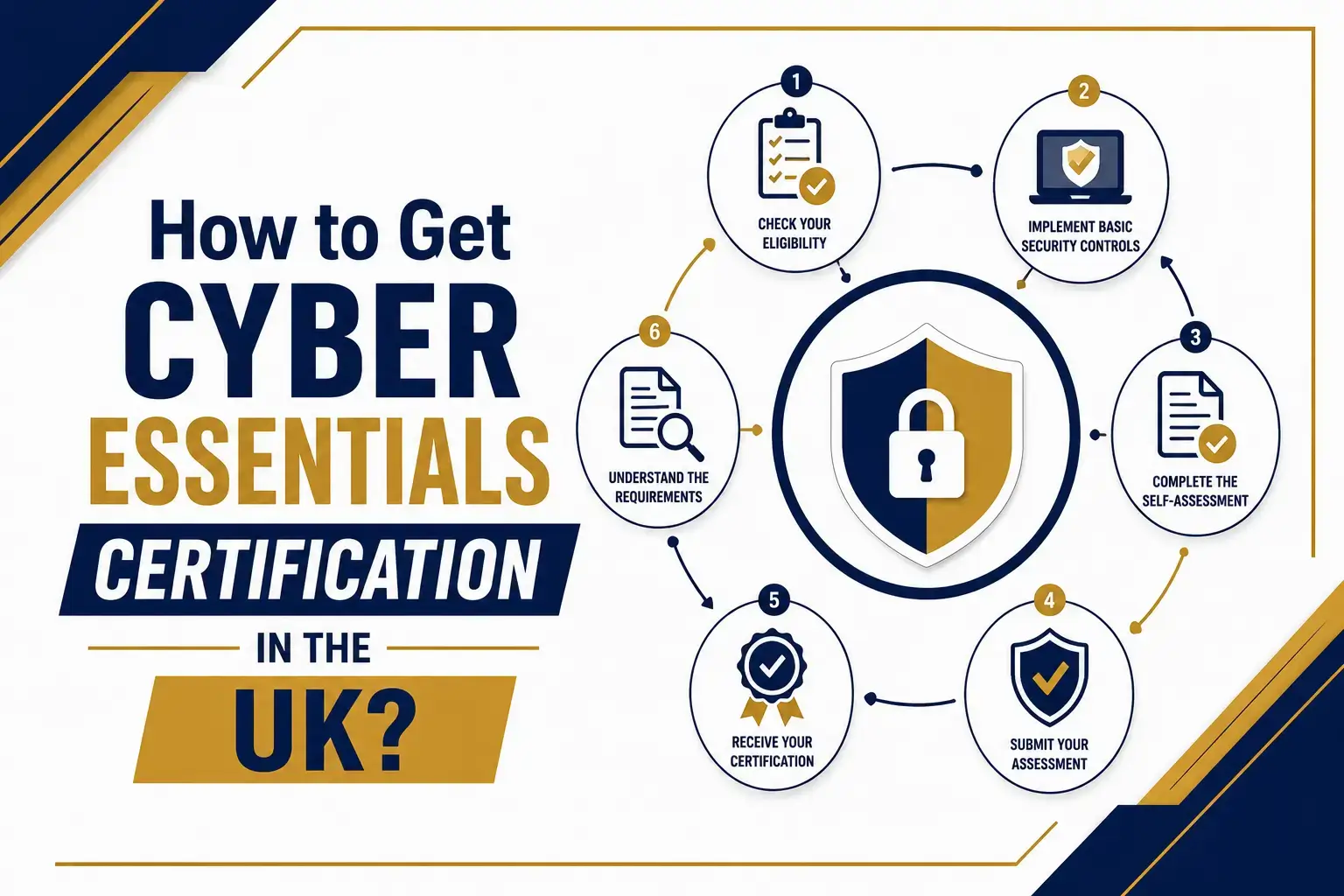
At BizGrow Holdings, we guide UK businesses through the entire Cyber Essentials certification process. First, we start with a gap analysis, reviewing your current setup against the five required controls. Then, we help you close any gaps before the actual assessment, so nothing gets left to chance.
Getting Your Scope Right From the Start
We also make sure your certification is scoped correctly, so you genuinely qualify for the associated insurance benefits. Since many businesses miss out simply due to incorrect scoping, we help you avoid this mistake entirely, right from the beginning. While cost naturally matters when pursuing certification, real value comes from what you actually gain: stronger security, client trust, and valuable insurance benefits built right in. For more details, visit BizGrow Holdings, where we outline our full Cyber Essentials support for UK businesses.
FAQs
1. Do all Cyber Essentials certified businesses get free insurance?
No, only businesses with turnover under £20 million qualify for these insurance benefits. Additionally, certification must cover the whole organisation for the benefit to apply. Missing either requirement means you won’t qualify.
2. What’s the maximum insurance cover included with Cyber Essentials?
These insurance benefits provide up to £25,000 in cyber liability cover. IASME arranges this automatically once you achieve certification. You don’t need to apply separately or pay anything extra.
3. Does Cyber Essentials Plus offer the same insurance benefits?
Yes, the same insurance benefits generally apply to Cyber Essentials Plus as well. However, your eligibility still depends on turnover and certification scope. Therefore, the core rules remain the same across both levels.
4. What happens if my business exceeds the turnover limit?
Businesses above £20 million turnover typically don’t qualify for these specific insurance benefits. Instead, you should consider separate cyber insurance for your business. This ensures you still have proper protection in place.
5. Can BizGrow Holdings help me access these insurance benefits?
Yes, we guide you through certification and ensure correct scoping throughout the process. Consequently, this helps you avoid missing out on insurance benefits you’re genuinely entitled to. Our support continues well beyond the initial application.
Conclusion
Cyber Essentials certification protects your business from cyber threats, but it also unlocks real insurance benefits that many UK businesses simply don’t know about. Throughout this guide, we’ve covered exactly what these insurance benefits include, who qualifies, and how to claim them properly. Ultimately, if your business meets the eligibility requirements, these insurance benefits offer genuine value, especially for small businesses without a big budget for standalone cyber cover. However, getting the scope right matters just as much as achieving certification itself. Therefore, don’t leave these insurance benefits on the table. BizGrow Holdings guides UK businesses through the entire Cyber Essentials process, so you get certified properly and access every benefit you’re genuinely entitled to.