Close protection work ranks among the most respected jobs in the UK security industry. It’s exciting, well-paid, and always in demand. However, becoming a close protection officer UK businesses trust takes more than just interest. It takes the right training, the right licence, and the right mindset. This guide, therefore, walks you through everything step by step. It covers training, licensing, and essential skills, and it also explains how to actually find work once you’re qualified. Moreover, it highlights what genuinely sets strong candidates apart in this industry. Whether you’re new to security or already work in the field, this guide gives you a clear, easy path forward, so you always know exactly what comes next.
What Does a Close Protection Officer UK Do?
A close protection officer protects a person, not just a place. This person is often called the “principal.” Your job, therefore, is to keep them safe from any threat, wherever they go. The role, however, involves much more than standing nearby. Close protection officers plan routes, assess risks, and stay alert at all times. In fact, they think ahead constantly, rather than simply reacting to danger.
Typical duties include:
- Planning safe travel routes
- Watching for threats in crowds or public spaces
- Reacting quickly if danger appears
- Coordinating with drivers and other security staff
- Staying calm under pressure, always
Ultimately, this job suits people who value structure, discipline, and responsibility. It’s demanding, but it’s also genuinely rewarding.
Skills You Need for Close Protection Work
Before jumping into training, it helps to know what skills matter most. Employers, after all, look for certain qualities that go far beyond paperwork. Consequently, you’ll benefit from:
- Strong physical fitness
- Sharp observation skills
- Calm decision-making under stress
- Good communication
- A clean criminal record
Additionally, many close protection officers come from military or police backgrounds. This isn’t required, though it often helps, since these backgrounds naturally build discipline and quick thinking under pressure. Ultimately, employers want candidates who combine physical readiness with mental sharpness. Therefore, developing these skills early gives you a real advantage, whether you’re transitioning from another security role or starting completely fresh in the industry.
Steps to Becoming a Licensed Close Protection Officer
Getting licensed as a close protection officer in the UK follows a clear path, so this section breaks it down into four simple steps. First, you need to meet the SIA’s basic eligibility rules. Then, you must complete SIA-approved training, which forms the core of your qualification. After that, you apply for your official SIA Close Protection Licence, since working without it remains illegal. Finally, gaining extra certifications helps you stand out, because many employers expect more than the basics. Together, these four steps guide you from complete beginner to fully licensed professional, giving you exactly what you need at every stage.
Step 1: Meet the Basic SIA Requirements
Before you can train as a close protection officer, you first need to meet a few basic rules set by the Security Industry Authority, or SIA. To qualify, you must:
- Be at least 18 years old
- Have the right to work in the UK
- Pass identity and criminal background checks
- Show good character, with no serious criminal history
The SIA, therefore, takes background checks very seriously. If you’ve had trouble with the law before, it’s worth checking your eligibility early, since this saves valuable time later. Getting this step right from the start makes every following step much smoother overall.
Step 2: Complete SIA-Approved Close Protection Training
This step forms the heart of your entire journey. Every close protection officer UK employers hire must complete SIA-approved training first. The main qualification is the Level 3 Certificate for Close Protection Operatives, which is far more demanding than basic security training. During training, you’ll cover:
- Threat and risk assessment
- Route planning and surveillance detection
- Close-quarter protection techniques
- First aid, including trauma care
- Defensive driving theory and legal responsibilities
You’ll also complete written exams and practical assessments, which ensure every officer meets a high standard. Training does require financial investment, so comparing providers carefully beforehand helps you choose wisely.
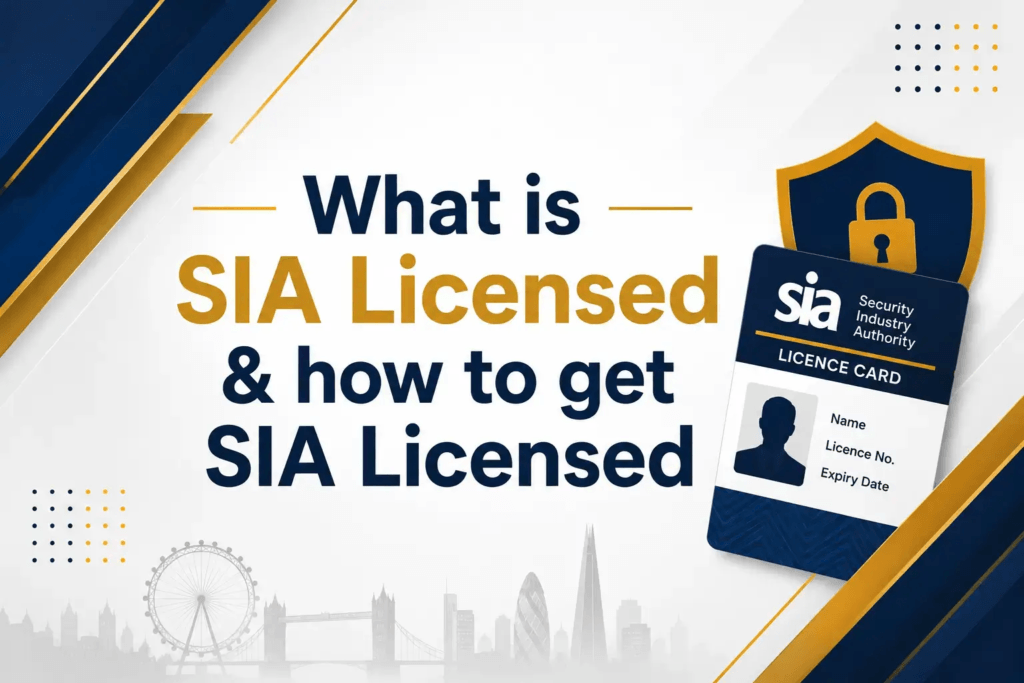
Step 3: Get Your SIA Close Protection Licence
Once you pass your training course, the next step involves applying for your official SIA Close Protection Licence. Since working without this licence remains illegal in the UK, skipping this step simply isn’t an option. To apply, you’ll need:
- Proof of your Level 3 training qualification
- A passed criminal background check
- Valid identification and right-to-work documents
After approval, your licence stays valid for three years, so you’ll eventually need to renew it. Moreover, new refresher training rules apply from 2026 onward, which makes staying updated on renewal requirements essential.
Step 4: Gain First Aid and Additional Certifications
While your main training already includes basic first aid, many employers expect more from serious candidates. Extra certifications, therefore, can set you apart significantly from other applicants. Valuable additions include:
- FREC 3 or FREC 4 first aid qualifications
- Advanced or defensive driving courses
- Language skills, especially French, Arabic, or Spanish
- Hostile environment training, useful for international work
These extras aren’t always mandatory, but they often make a real difference. Consequently, candidates with additional certifications typically get hired faster than those relying on basic qualifications alone.
How to Find SIA-Approved Training Providers
Choosing the right training provider matters just as much as the training itself. However, not every provider offers the same quality, so it pays to research carefully before you commit.
When choosing a provider, therefore, check:
- Whether they’re officially SIA-approved
- Their reputation within the security industry
- Reviews or testimonials from past students
- Whether they offer job support after training
Take your time here, since rushing this decision often leads to wasted money and lost time. A good provider, after all, doesn’t just teach you the material — they also help you enter the industry with genuine confidence. Ultimately, the right choice sets the tone for your entire career, so treat this step as seriously as the training itself.
Building Experience in Close Protection Work
Most employers prefer candidates with some security background, even though the law doesn’t always require it. After all, experience shows employers that you understand real-world pressure and can handle it well.
Good ways to build experience, therefore, include:
- Working as a door supervisor first
- Taking on event security roles
- Gaining experience in general guarding work
- Building a strong, professional reputation over time
Every bit of experience adds credibility. Consequently, this makes it much easier to move into higher-paying close protection roles as your career progresses. Starting with entry-level security work, then, isn’t a setback; instead, it lays the foundation for long-term success in this competitive field.
How to Find Close Protection Jobs in the UK
Once you’re trained, licensed, and experienced, the next step is finding work. The good news? Demand for close protection UK jobs continues to grow steadily, which creates real opportunity for well-prepared candidates.
Here’s how most people find work:
- Job boards specialising in security roles
- Recruitment agencies focused on protection work
- Networking at industry events and conferences
- Joining professional security associations
Building relationships in this industry, therefore, matters a lot. In fact, many close protection jobs come through referrals rather than job adverts, so who you know often carries just as much weight as what you know. Consequently, staying active within the industry community can open doors that job boards alone simply can’t.
Common Mistakes New Close Protection Officers Make
Many newcomers make the same early mistakes. However, avoiding these can save you significant time and frustration down the line.
Common mistakes include:
- Choosing a training provider without checking their reputation
- Skipping extra certifications that employers actually want
- Underestimating how physically demanding the job is
- Not networking enough within the industry
- Letting their SIA licence lapse without renewing on time
Avoiding these mistakes, therefore, puts you ahead of many other candidates from day one. Consequently, taking the time to research providers, build connections, and stay on top of renewals pays off far more than most newcomers expect.
How BizGrow Holdings Supports Security Professionals
At BizGrow Holdings, we help security professionals turn their skills into their own successful business. Many close protection officers, in fact, eventually want to build a company of their own. We make that transition easier.
We support you with:
- Business setup guidance: registering your company correctly from day one
- Accreditation support: guiding you through CHAS, SafeContractor, and SIA compliance
- Policy and documentation: preparing safety policies and operational procedures
- Ongoing consultancy: supporting your growth as you take on bigger contracts
Starting your own security company, however, takes more than industry experience. Clients want proof your business runs properly and meets recognised standards. That’s exactly where BizGrow Holdings steps in, helping you build a credible, contract-ready business from the very first step.
Conclusion
Becoming a close protection officer in the UK takes commitment, proper training, and the right licence. From meeting SIA requirements to completing your Level 3 qualification, every step, therefore, builds toward a legitimate, respected career. Extra certifications, real experience, and strong networking all help you stand out once you’re ready to work. Additionally, if you’re running a security business rather than starting a personal career, expert guidance makes compliance far easier. Ultimately, the right preparation at every stage makes the difference between a career that stalls and one that grows steadily over time. So, whether you’re just starting or building your own security company, taking these steps seriously sets you up for long-term success.
Frequently Asked Questions
How long does close protection training take in the UK?
Most courses run for two to three weeks. Providers may vary slightly in length. Some also offer intensive options that finish faster.
Do I need prior security experience to become a close protection officer?
Not legally, but most employers prefer it. Door supervision or event security experience helps a lot. It shows employers you can handle real-world pressure.
Is close protection training expensive in the UK?
Costs vary between training providers. It’s worth comparing a few before choosing one. Quality and job support matter just as much as price.
Can I work close protection jobs without an SIA licence?
No, this is required by law. Working without it is a criminal offence. Always confirm your licence status before accepting any job.
What’s the difference between close protection and regular security work?
Close protection focuses on protecting a specific person. Regular security usually protects places or property instead. The training and daily duties differ quite a bit too.